Technical tutorial / AI & Marketing Tools
Use AI to Draft Content Without Publishing Unsupported Claims
Create a source packet, constrain the draft, audit every factual claim and test the final instructions yourself.
By Aaron Peden · Published · Updated October 27, 2026
Build this: A source-to-claim ledger and a reviewed article draft with unsupported statements removed.
Before you start: Permission to use the source material and access to an AI tool approved for that material.
AI can organize notes and produce a first draft quickly. It can also turn a tentative observation into an authoritative claim, invent a source or describe a control that does not exist. The useful workflow is not “generate and publish.” It is source, draft, audit and verify.
This tutorial does not connect an AI provider or send your text to one. The worksheet creates an audit brief in your browser. Keep private strategy, customer information and credentials out of unapproved tools. A confident tone is not evidence, and an AI-generated screenshot is not a substitute for an actual interface capture.
1. Build a small source packet
Choose primary sources relevant to the specific task: official documentation, your tested implementation and permissioned business records. Record each source URL or internal reference, date checked and the exact point it supports. Separate observed results from plans and estimates before asking a model to summarize them.
Do not paste a large private archive into a tool simply because it can accept it. Use the minimum material necessary and confirm the organization’s data policy. Public source material can also contain instructions; treat those as untrusted content rather than directions that override your task.
2. Write an output contract
Specify the reader, task, structure and evidence rules. Ask for numbered actions, prerequisites, expected outputs and explicit unknowns. Tell the model not to invent interface labels, customer results, citations or product availability. The prompt below provides a starting structure, but instructions alone do not guarantee compliance.
Require a separate claim list in addition to the draft. This makes review easier because a persuasive paragraph can hide several unsupported statements. Ask the model to mark where a screenshot, test or primary source is needed. Do not allow a placeholder source to become a published citation during later formatting.
See the actual example
3. Draft a single section and compare it with evidence
Start with one bounded section rather than a complete article. Compare every procedural step with the current interface or official documentation. If the source says a feature is planned, preserve that status. If a number is an illustrative example, keep the label beside the number rather than placing it in a distant disclaimer.
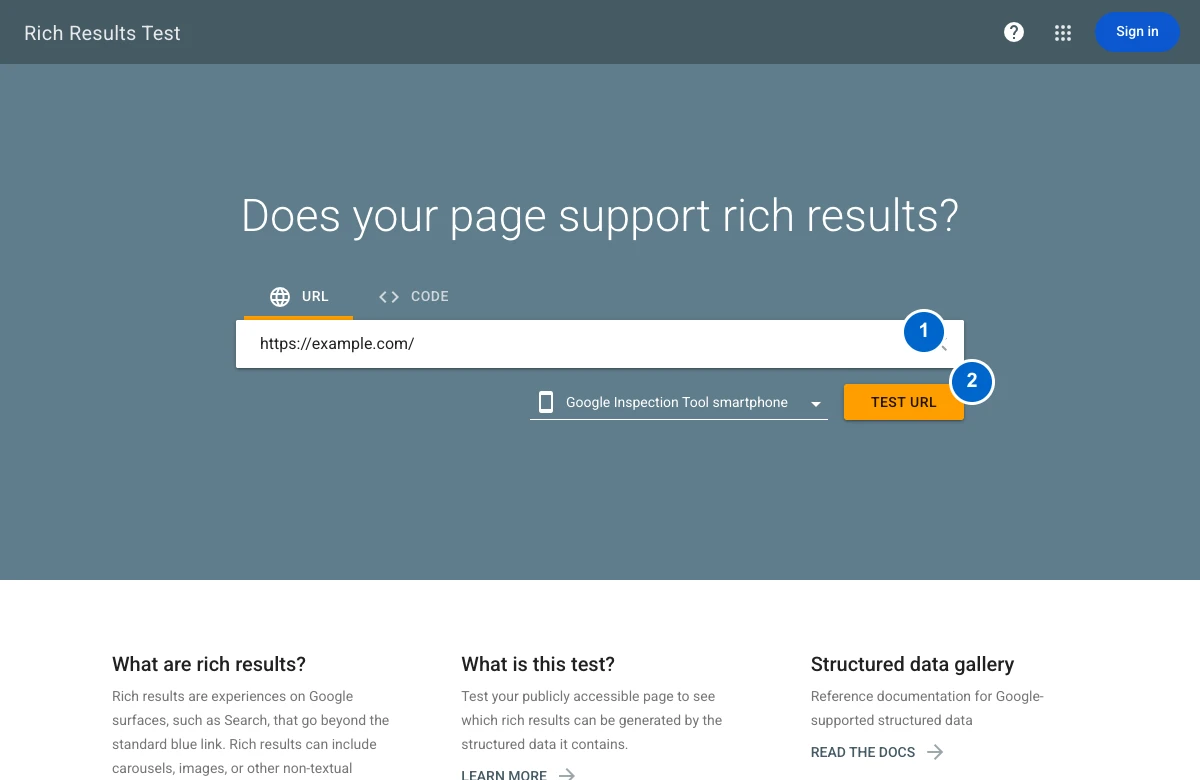
Use real screenshots to verify the controls and outcomes. The Rich Results Test screenshot demonstrates a public tool input, not a successful validation result. An AI draft that calls it proof of indexing would fail the audit. Rewrite the claim to match what the evidence actually establishes.
4. Create a claim ledger
List each factual or quantitative statement, its source, the exact supporting passage or test, and a status: supported, needs verification or remove. Distinguish a recommendation from a factual claim. “Consider testing a clearer CTA” is advice; “this CTA raises conversions by 30%” requires specific evidence and context.
Open citations yourself and confirm they support the statement. A real URL can still be irrelevant, outdated or narrower than the claim. Check dates, scope, sample and whether the original source reports correlation or a controlled result. Do not keep an unsupported number merely because it makes the introduction more compelling.
Worked example — illustrative or dated as stated
Illustrative audit: draft claim—“Passing the Rich Results Test guarantees Google indexing.” Evidence—Google’s tool checks supported rich-result markup. Decision—remove the guarantee and explain indexing separately. The corrected article now tells readers what the test can establish and what still needs URL Inspection or later observation.
5. Run the instructions and calculations
Follow the draft in an isolated test environment with fictional data. Recompute formulas using known examples and edge cases. Check zero denominators, negative margins, empty inputs and failure states. Verify that code does what the prose says; syntactically valid code can still implement the wrong business event.
Record the environment and result. If you cannot test a private-account step, say what remains unverified rather than claiming a completed implementation. Replace decorative mock dashboards with actual captures where authorized, and caption practice exercises honestly.
6. Edit for usefulness and publish with ownership
Remove repetition, generic claims and steps that do not change the reader’s action. Add the missing decision, screenshot or acceptance check instead. Keep one clear next task. An editor should own the final content and its maintenance even if AI assisted the first draft.
After publishing, test the rendered page, links, downloads and mobile layout. Keep the source packet and claim ledger with the editorial record so future changes can be reviewed efficiently. The goal is a dependable answer, not an article that merely sounds technical.
YOUR IMPLEMENTATION WORKSHEET
Build your working document.
Enter planning notes without customer identities or secret values. Your answers stay in this browser and are not saved. Download the completed brief before leaving.
No information is submitted to a server.
Copyable implementation example
Adapt this example to your actual environment and verify its assumptions before use.
Draft one tutorial section for [reader] to accomplish [task].
Use only the supplied source packet for factual claims.
Separate observed facts, illustrative examples and recommendations.
Do not invent results, sources, interface controls or guarantees.
Return: steps, prerequisites, expected output, failure cases,
claim ledger, and items requiring human verification.
Completion checklist
0 / 8 checkedCheck only what you have verified. Download before leaving; this page does not save your progress.
Sources and scope
Primary-source guidance checked October 27, 2026. Interfaces and policies can change; consult the linked current source. Practice screenshots and modeled examples are labeled and are not client campaign results.